 Curator
6 August, 2026
Curator
6 August, 2026
self-taught graphic designer roadmap: A Self-Taught Designer's 18-Year Honest Take
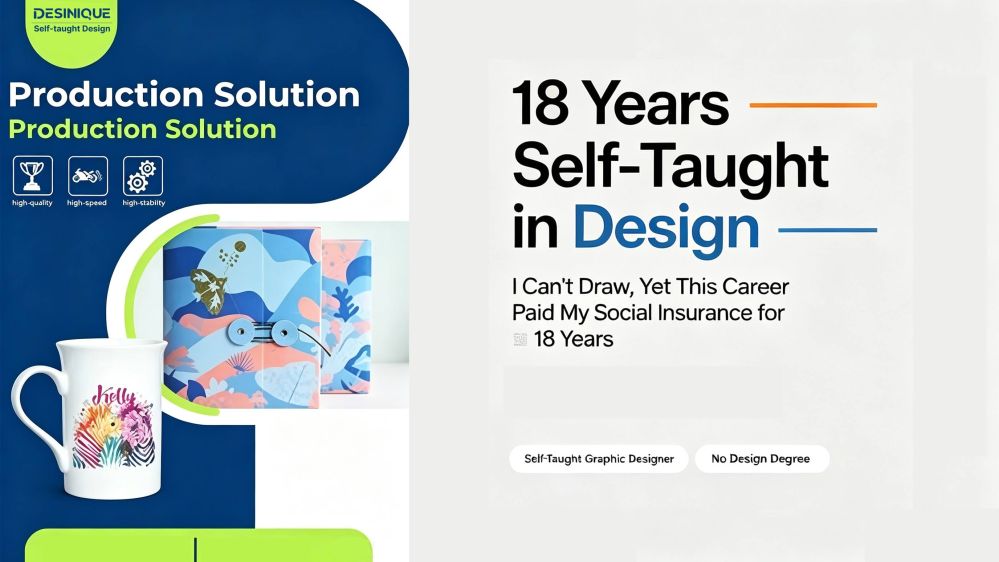
Hi there, I'm Desinique — a self-taught designer. No art school background. Can't draw. Just 18 years of learning by doing, one project at a time. I want to start from where I started — and give you, the one who's thinking about going self-taught or making a career switch, a real reference point. Today, let's talk about typography in graphic design.
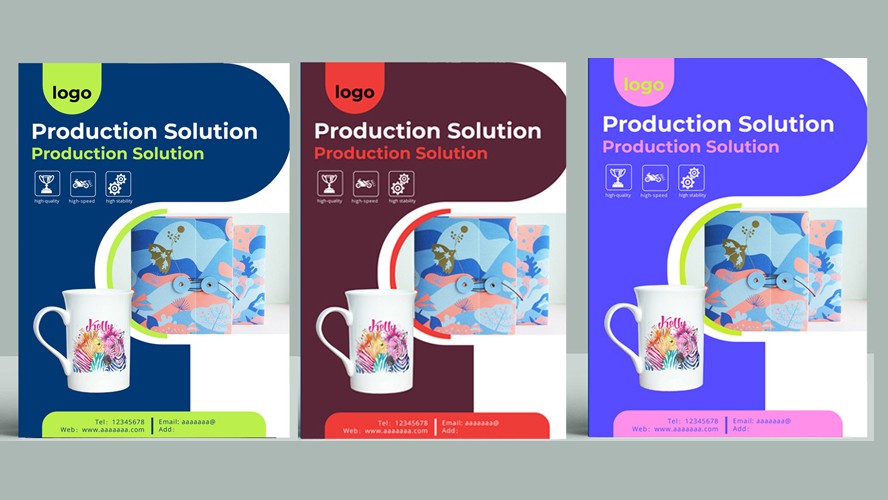
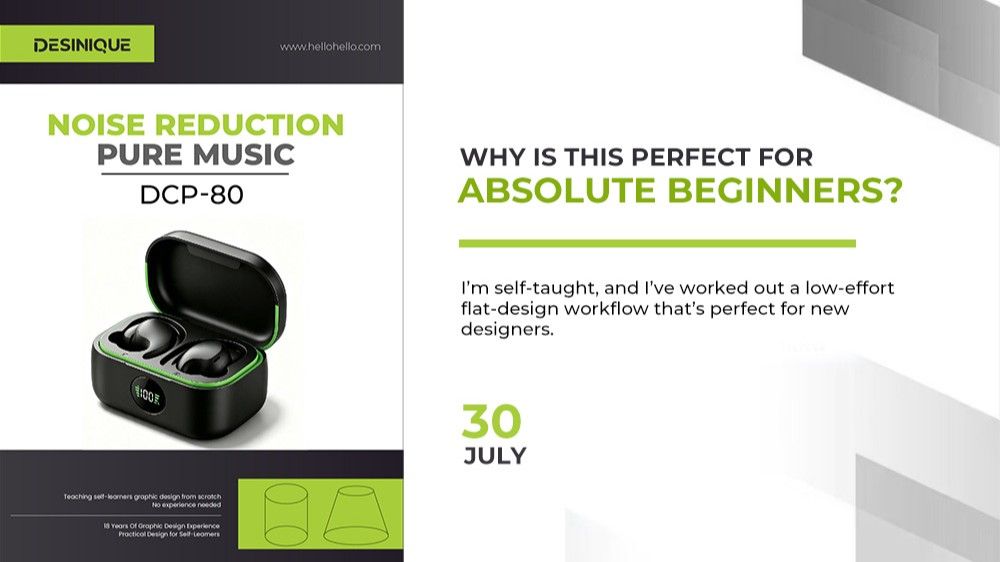
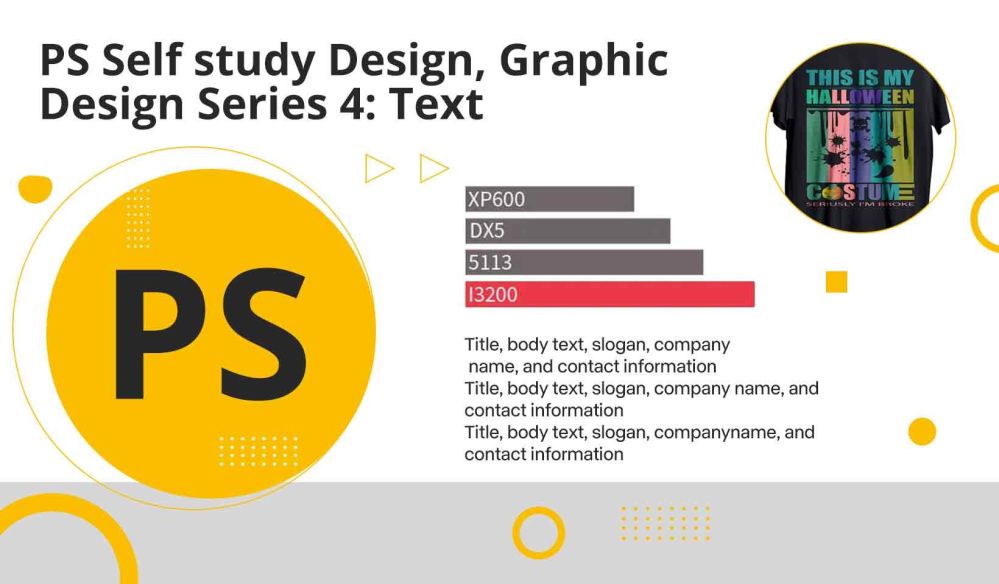
The Breakdown Text in design includes: Headlines Body copy Slogans / Taglines Company names & contact information
— Headlines The headline is what grabs attention. It anchors the theme or delivers the core message. Visually, it stands out through larger type sizes, distinctive fonts, or contrasting colors — and it guides the viewer into the content.
— Body Copy Body copy carries the actual information — product details, article narratives, etc. The priority here is readability. Use clear, legible typefaces and carefully adjust leading and tracking to create a comfortable reading experience.
— Alignment & Line Breaks as "Invisible Language" Alignment and line breaks do more than just arrange text — they express emotion, control pacing, and guide the viewer's eye. These are the "invisible" choices that reveal true craft. They don't shout for attention, but they draw people in, lead them through, and leave an impression — without them even knowing why.
— Slogans / Taglines A slogan reinforces brand identity and sparks emotional connection. It's meant to be memorable and shareable. That's why it's often designed with rhythm, creativity, and strong visual presence.
— Company Names & Contact Information This includes brand name, address, phone number, website, etc. Typically placed in the margins or footer of ads and collateral, this is functional text. It may not be the visual hero — but it's essential for delivering complete information.
To everyone learning design on your own — or thinking about starting: Here's the truth — self-taught design doesn't care about your diploma. Elementary school, middle school, high school, community college, university — it all works. Yes, a degree can open doors to top-tier companies. But if you don't have one? And you don't want to work in a factory? And you want a 9-to-5 with weekends off? Yes — you can absolutely do that. Build your skills. Train your eye. That's what gets you there. It's really not that complicated, is it?
Popular