 Curator
4 August, 2026
Curator
4 August, 2026
self-taught graphic designer roadmap Series 3: Background Design
Hello, I’m Desinique, a self-taught graphic designer with 18 years of professional experience. Today, let’s talk about design backgrounds.
This is something that beginner designers are usually very familiar with, and it’s also a tricky problem. Even designers with years of experience can struggle with it. Because any designer who holds themselves to a high standard will want their backgrounds to feel fresh, creative, and different every time.
But when you work on design day after day, it’s normal to feel creative fatigue. And sometimes, you just hit a wall when you’re trying to come up with something new. It’s a difficult problem, but it does have solutions. In graphic design, background design can mainly be divided into five categories. Each category suits different design goals and visual styles.
1. Solid Color Background A solid color background uses a single color as the base. This includes neutral colors such as black, white, and gray, as well as chromatic colors. Solid color backgrounds are clean and uncluttered. They effectively highlight the main content and are often used in e-commerce posters, product displays, and other design projects that require clear communication. A white background can feel fresh. A black background often looks premium. And a gray background is versatile and timeless.

2. Gradient Background A gradient background creates visual flow through color transitions. These transitions can be within the same color family, such as from light blue to dark blue, or between different hues. Gradients can create a soft, dreamy, or modern tech-inspired atmosphere. They also have a directional quality, which can help guide the viewer’s eye toward the main subject and add depth to the composition.

3. Texture Background A texture background includes recognizable surface details or material qualities, such as paper, fabric, metal, or wood grain. This type of background can enhance the overall sense of quality and give the design a tactile feeling. It works especially well for projects that need to emphasize craftsmanship, durability, or a vintage style.
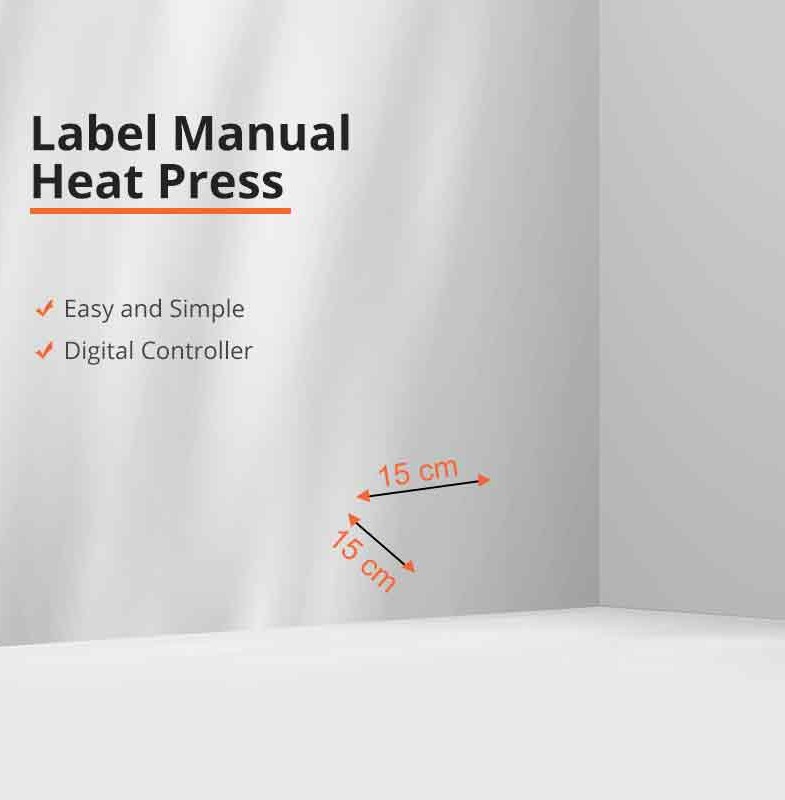
4. Image Background An image background uses photography or environmental imagery as the foundation of the design. It can communicate a specific setting, mood, or story. To keep the main content from getting lost, image backgrounds are often blurred, darkened, or overlaid with a mask. This approach is commonly used in brand campaigns, travel promotions, and other designs that need a strong sense of context.
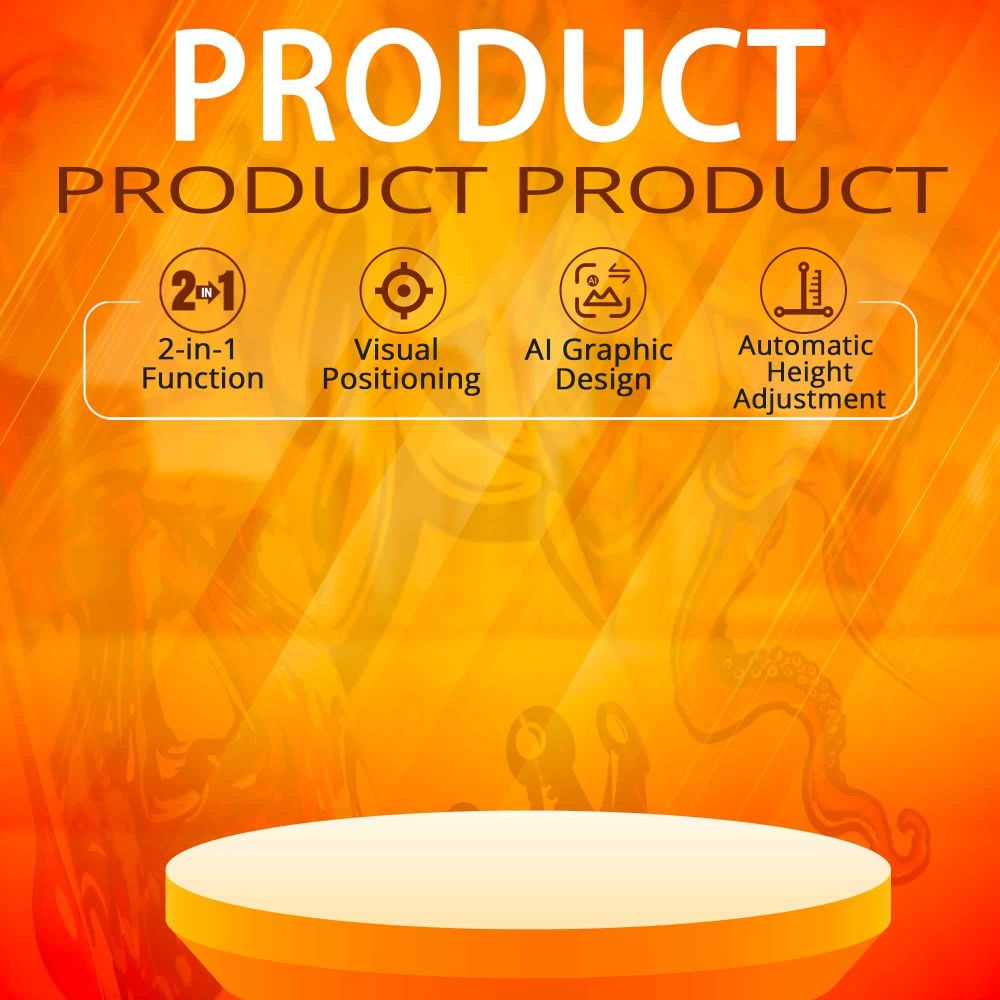
5. Graphic / Pattern Background A graphic or pattern background is made up of geometric shapes, abstract elements, or recognizable motifs. These elements are often arranged through repetition, overlapping, or interlocking to create a sense of rhythm and visual interest. This type of background is widely used in UI design, illustration-style posters, and projects that need a strong graphic presence. In addition to these five main types, some designs also use illustration backgrounds or blurred natural imagery. These can make a design feel more playful, expressive, or emotionally resonant.

So, as we’ve covered here, background design is just as important as any other part of the design process. It directly determines the overall style and direction of the final visual.
Popular